Breaker Replacement vs. Whole Panel Replacement: How We Decide
Covered In This Article:
Request an Electrical Appointment. If you are dealing with any electrical issues, do not wait. Small electrical problems can turn into safety risks. Speck Family Electric makes it simple to get a fast, professional inspection. Fully licensed and insured, with customer-first service and straightforward next steps.
Breaker Replacement vs. Whole Panel Replacement: How We Decide
When an electrical circuit keeps tripping or an outlet loses power unexpectedly, homeowners in Sparta often wonder: Do I just need a quick breaker replacement, or am I facing a full electrical panel upgrade?
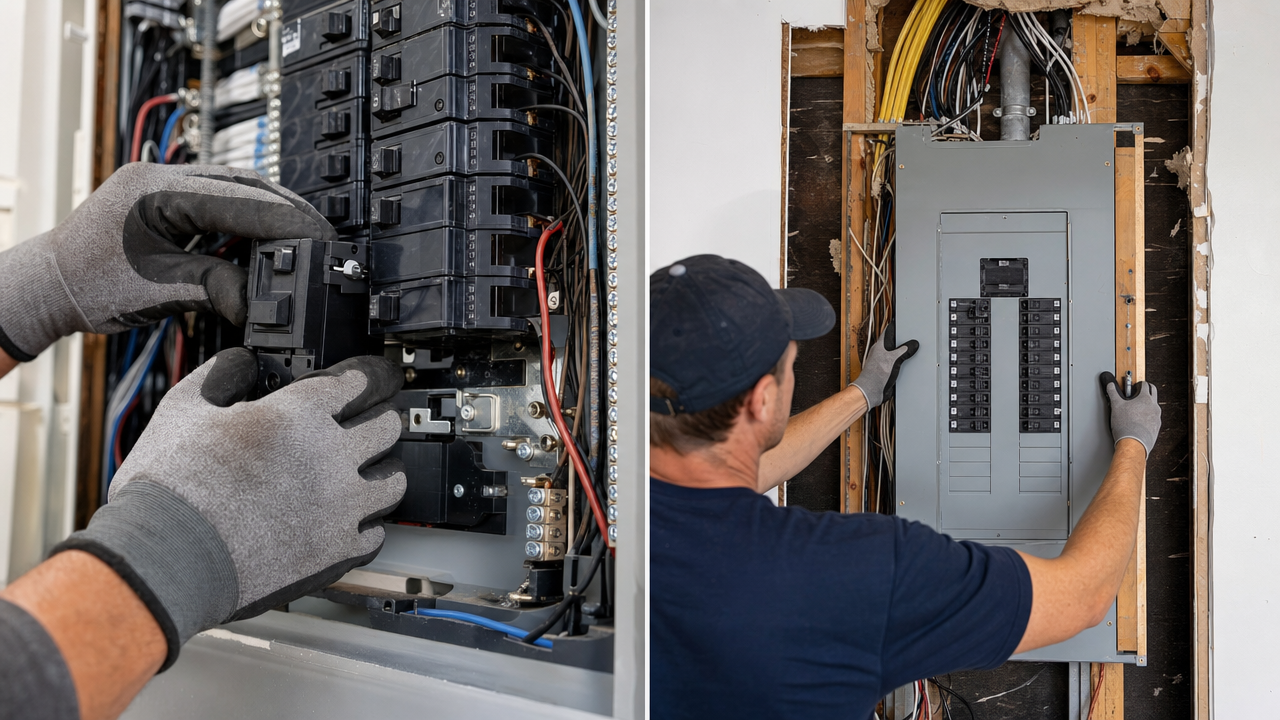
At Speck Family Electric, our customer-first philosophy means we never sell you a full panel replacement when a quick, affordable breaker repair is all you need. Below is an insider look at how our licensed electricians accurately diagnose electrical issues and determine the right solution for your home.
Common Scenarios & Root Causes
Circuit breakers are mechanical safety switches designed to snap open whenever electrical current exceeds safe thermal or magnetic thresholds. Understanding why a breaker trips determines the scope of repair required:
| Scenario | Primary Cause | Recommended Fix |
| Single breaker trips when running hairdryer + space heater | Circuit Overload | Rebalance load or install a dedicated circuit |
| Breaker trips immediately upon resetting (without appliances) | Short Circuit / Ground Fault / Breaker Failure | Single Breaker Replacement |
| Multiple breakers trip, panel buzzes, or bus bar shows rust | Panel Bus Bar Degradation / Outdated Service | Full Panel Upgrade |
| Panel brand is obsolete (Federal Pacific, Zinsco, Challenger) | High Manufacturing Defect / Fire Risk | Full Panel Replacement |
When a Breaker Replacement Is the Right Fix
A simple breaker replacement is ideal when:
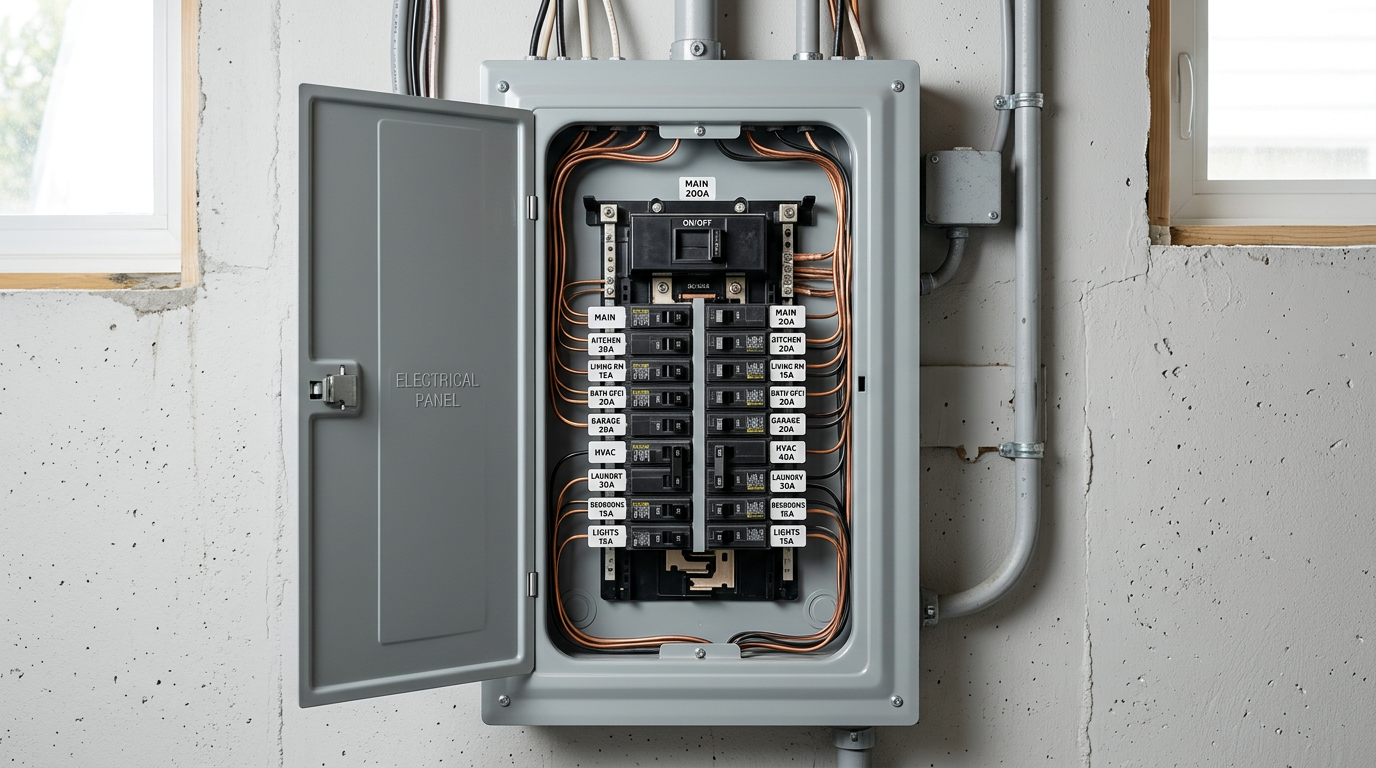
- The electrical panel itself is modern (150A to 200A), clean, and free of moisture or corrosion.
- Thermal imaging confirms panel bus bars are in perfect condition.
- A single breaker switch feels loose, fails to snap firmly, or displays physical mechanical fatigue.
- The circuit issue is isolated to one specific room without broader panel overload.
When a Full Panel Replacement Is Necessary
A full panel upgrade becomes necessary when:
- Corrosion & Water Intrusion: Water leaking through the exterior service mast has rusted internal bus bars, destroying electrical contact points.
- Melted Bus Bars: Overheating has scorched the interior panel metal, preventing replacement breakers from making safe connection.
- Obsolete Capacity: Your home runs on a 60A or 100A panel that cannot support modern HVAC units, appliances, or home additions.
- Hazards & Recalls: You have a recalled panel brand with a documented history of failing to trip during electrical surges.
How We Identify Root Cause Safely
Our technicians do not guess. We perform precise diagnostic testing:
- Visual & Thermal Inspection: Using infrared camera technology to locate hidden hot spots inside the panel enclosure.
- Amp Draw Testing: Measuring live electrical current using calibrated clamp meters to separate circuit overloads from faulty hardware.
- Voltage Drop Analysis: Checking voltage stability across branch circuits under load.
Frequently Asked Questions
- Why does a new breaker sometimes still trip after replacement?[Text Wrapping Break]If a brand-new breaker trips, the problem is not the breaker; it is an underlying short circuit, ground fault, or overloaded wiring downstream inside your walls.
- What’s the difference between a faulty breaker and an overloaded circuit?[Text Wrapping Break]An overloaded circuit occurs when too many appliances pull electricity simultaneously on one line. A faulty breaker trips randomly even with minimal or no electrical load attached.
- Will an outdated panel affect my home insurance rates?[Text Wrapping Break]Yes. Many insurance providers in Tennessee require homeowners to upgrade outdated or recalled electrical panels before issuing or renewing home insurance coverage.
Share this article
Follow us
Latest articles
September 25, 2026

September 9, 2026
August 13, 2026